Lorem ipsum dolor sit amet, consectetur adipiscing elit. Ut elit tellus, luctus nec ullamcorper mattis, pulvinar.
Prof. Nuwan Kodagoda
This workshop explores the integration of Generative AI tools across the academic research lifecycle. Participants will engage in hands-on sessions to learn how to leverage AI for literature synthesis, research design, and data visualization. The program also emphasizes responsible and ethical AI use.
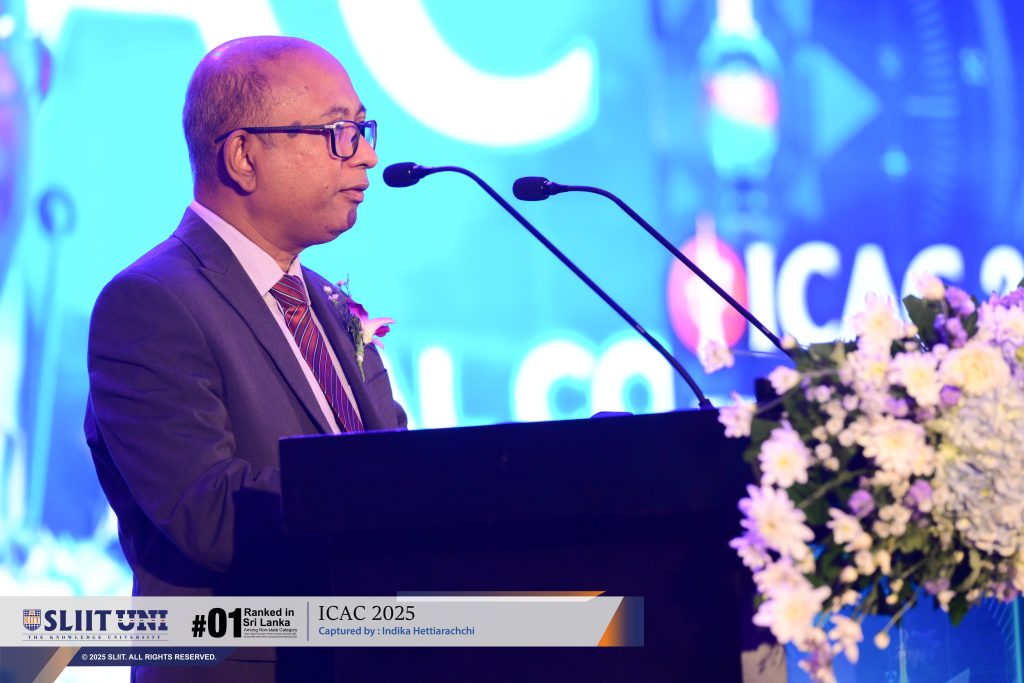
Prof. Vasana Chandrasekara
The workshop on “Statistical Analysis for Scientific Research” is designed to equip researchers, undergraduate and postgraduate students, academics from other disciplines, and professionals with essential statistical knowledge and skills. It focuses on strengthening research quality and enabling effective dissemination of knowledge through accurate interpretation and visualizations.
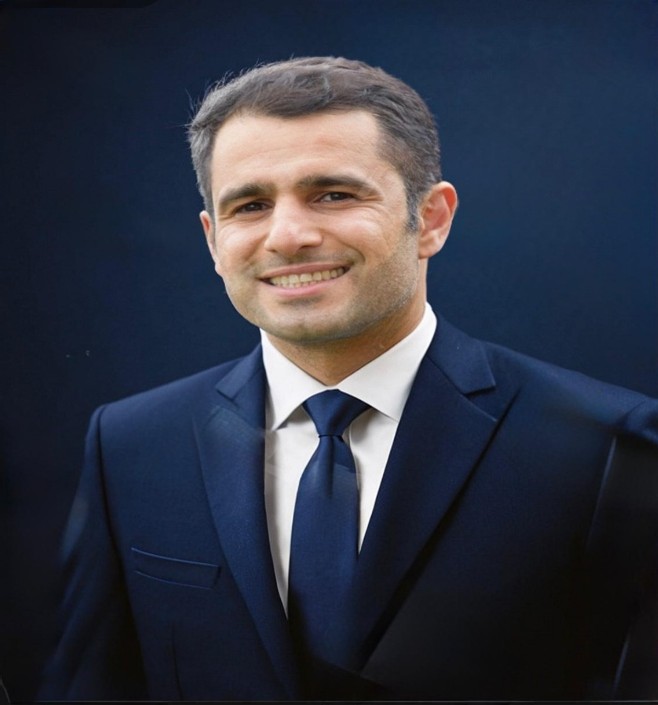
Dr. Fariba Sharifian
This workshop explores the evolving role of artificial intelligence in healthcare. It highlights how AI models and intelligent systems are transforming clinical decision-making, diagnostics, patient care, and medical research. Emphasizing the synergy between human expertise and machine intelligence, the session demonstrates how AI assists healthcare professionals. Real-world applications, ethical considerations, and future directions will be discussed to provide participants with a comprehensive understanding of AI-driven healthcare innovation.
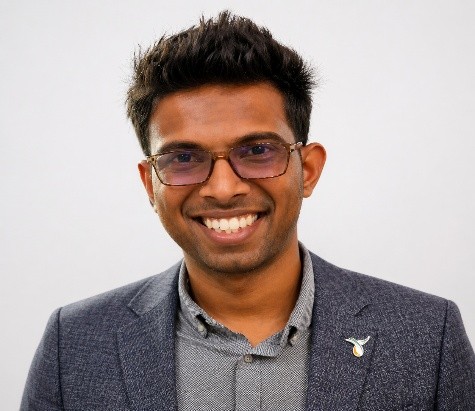
Dr. Fahad Sohrab
This workshop introduces one-class classification (OCC), a learning paradigm for scenarios where training data are available only from a single target class, while other classes are scarce, unknown, or difficult to obtain. It discusses the limitations of traditional OCC methods, particularly in handling high-dimensional and complex data, and presents subspace learning-based OCC as an effective and principled solution. The workshop covers core theoretical foundations, optimization frameworks, and recent advances, including joint learning of subspaces and data descriptions, graph-based formulations, and multi-view extensions. Participants will gain practical insights through case studies and demonstrations, illustrating how these methods can be applied to anomaly detection and data-scarce learning problems across domains.